Wondering when to start getting your Springboro home ready for the market? If you wait until the month you want to list, you may feel rushed on repairs, paperwork, pricing, and presentation. The good news is that with a simple plan and the right guidance, you can move through the process with less stress and more confidence. Let’s walk through a practical timeline that helps you prepare for a strong spring launch.
Why timing matters in Springboro
Springboro remains a competitive market, and current snapshots suggest well-priced homes often move in about a month and sell close to asking price. Realtor.com’s April 2026 data shows 193 active listings, a median list price of $479,000, 27 median days on market, and a 99% sale-to-list-price ratio. Redfin’s spring 2026 data also points to a similar pace, with a median sale price of $424,746 and 33 median days on market for the three months ending May 2026.
For you, that means preparation matters. In a market where buyers act quickly, your first week on the market can carry a lot of weight. Pricing, condition, photos, and timing all work together.
National timing studies also point to spring as the strongest season to list. Zillow’s 2025 analysis found that homes listed in the last two weeks of May earned about 1.7% more nationally, while Realtor.com’s 2025 report identified the week of April 13 through 19 as a peak window. The exact best week may vary, but the bigger takeaway is clear: spring matters more than chasing one perfect date.
Start 3 to 4 months ahead
If you want to list in April or May, January or February is the time to start. Zillow reports that most sellers begin thinking about selling three to four months before they list. That window gives you time to make thoughtful decisions instead of last-minute ones.
This is when you should define your goals. Are you aiming for the highest possible price, the fastest sale, or a balance of both? A clear goal helps shape the right pricing plan, prep strategy, and launch timing.
It is also the ideal time for a pre-list walkthrough with your agent. This early visit helps you identify repairs, presentation updates, and any issues that may affect buyer confidence once your home hits the market.
Handle early paperwork and disclosures
One of the most important reasons to start early is paperwork. In Ohio, sellers of most 1 to 4 unit residential properties are expected to complete a residential property disclosure form. The form covers items such as water supply, sewer, roof, foundation, walls, floors, and known hazardous materials including lead-based paint, asbestos, and radon gas.
The Ohio form is based on your actual knowledge. It is not a warranty, and it does not replace an inspection. That is why it helps to begin your disclosure inventory early, while you still have time to gather records and think through repairs.
There is also an agent-side legal checkpoint at the beginning of the process. In Ohio, a real estate licensee must provide a fair-housing disclosure form to the seller before marketing or showing residential real estate and keep the signed copy. Your first listing conversation is not just about strategy. It is also an important compliance step.
If your home was built before 1978, there is one more early task to expect. Federal lead-based paint rules require sellers to disclose known lead-based paint information before the contract is signed, provide available records, share the EPA and HUD lead pamphlet, and give the buyer a 10-day opportunity for an inspection or risk assessment unless that opportunity is waived.
Focus repairs 6 to 8 weeks before listing
About six to eight weeks before launch, shift your attention to repairs and condition. You do not need to remodel the whole house to sell successfully. What matters most is addressing issues that could affect buyer trust, show up on your disclosure form, or make the home feel less move-in ready.
Start with the big items first. In Springboro, that often means reviewing the roof, foundation, walls, floors, plumbing-related concerns, water or sewer issues, and any unfinished projects. Zillow notes that necessary repairs and incomplete work can make a home harder to sell and may reduce your proceeds.
Once those items are under control, move on to the practical improvements that help your home show well. Deep cleaning, decluttering, servicing systems, and organizing storage areas can make a real difference without turning into a major renovation.
As work gets completed, keep receipts, service records, and manuals together in one place. That can make it easier to answer disclosure questions from actual knowledge and provide useful information to buyers when needed.
Declutter and stage with purpose
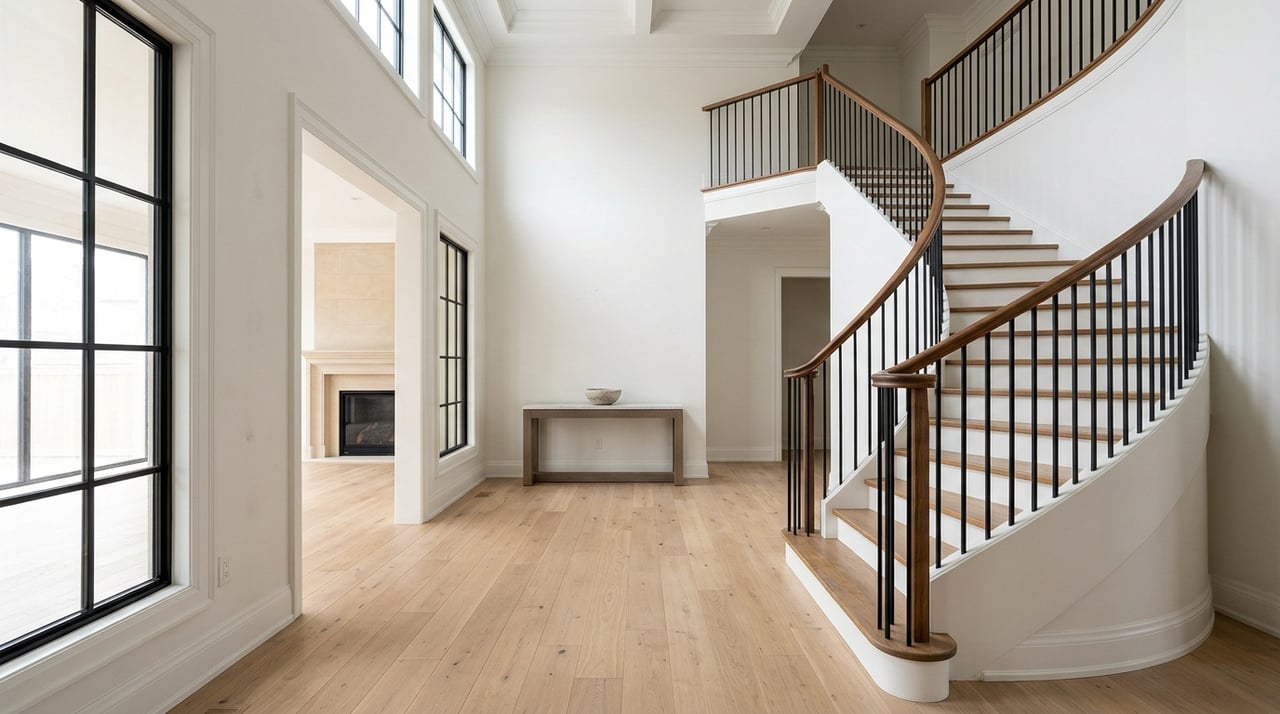
Staging does not always mean renting a house full of furniture. In many cases, it means removing distractions, improving flow, and helping buyers focus on the home itself. This is often one of the smartest ways to prepare without overspending.
NAR’s 2025 staging research found that 51% of sellers’ agents who do not fully stage still recommend decluttering or correcting property faults. The same research found that 49% reported staging reduced time on market, and 29% said it increased the dollar value offered by 1% to 10%.
If you are deciding where to focus, prioritize the rooms buyers tend to notice most. NAR reports that the living room, primary bedroom, and kitchen matter most in staging discussions. Those rooms usually deliver the strongest return in photos and showings.
Cost can vary depending on the level of service. NAR found a median cost of $1,500 for a staging service, compared with $500 when the seller’s agent handled staging personally. That is one reason many sellers choose a more targeted approach instead of full-service staging.
Prepare photos 2 to 4 weeks out
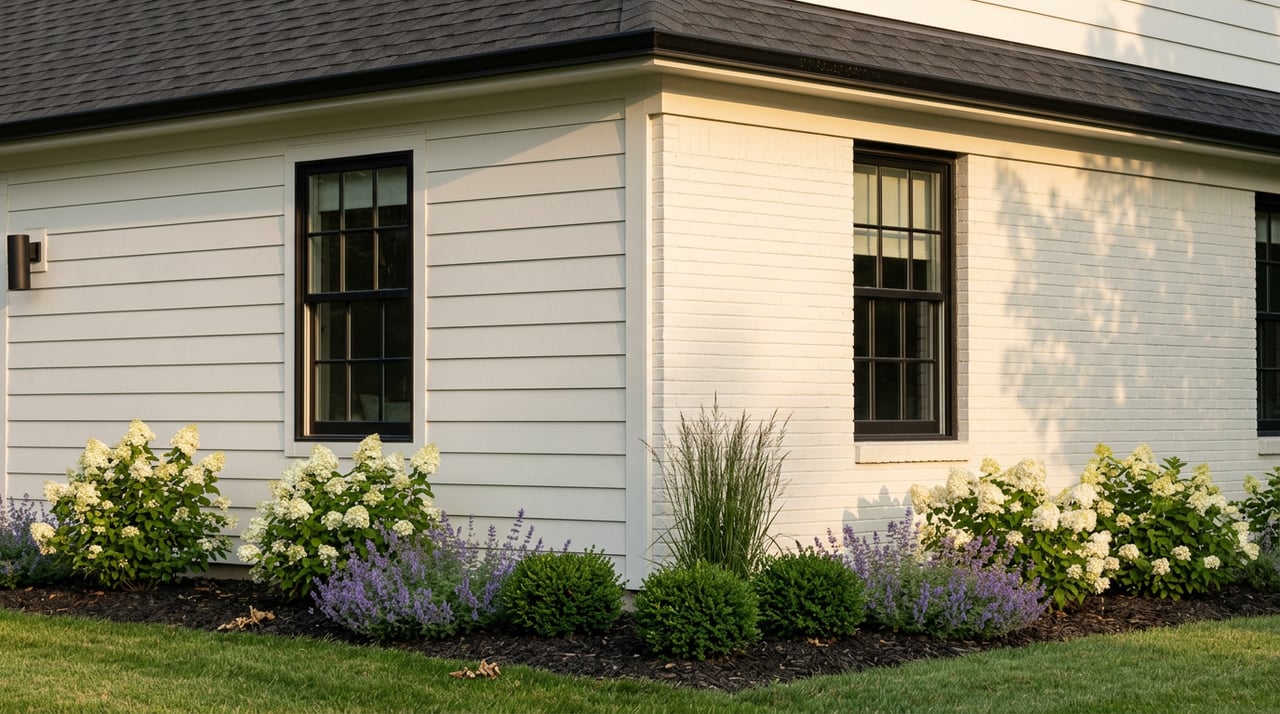
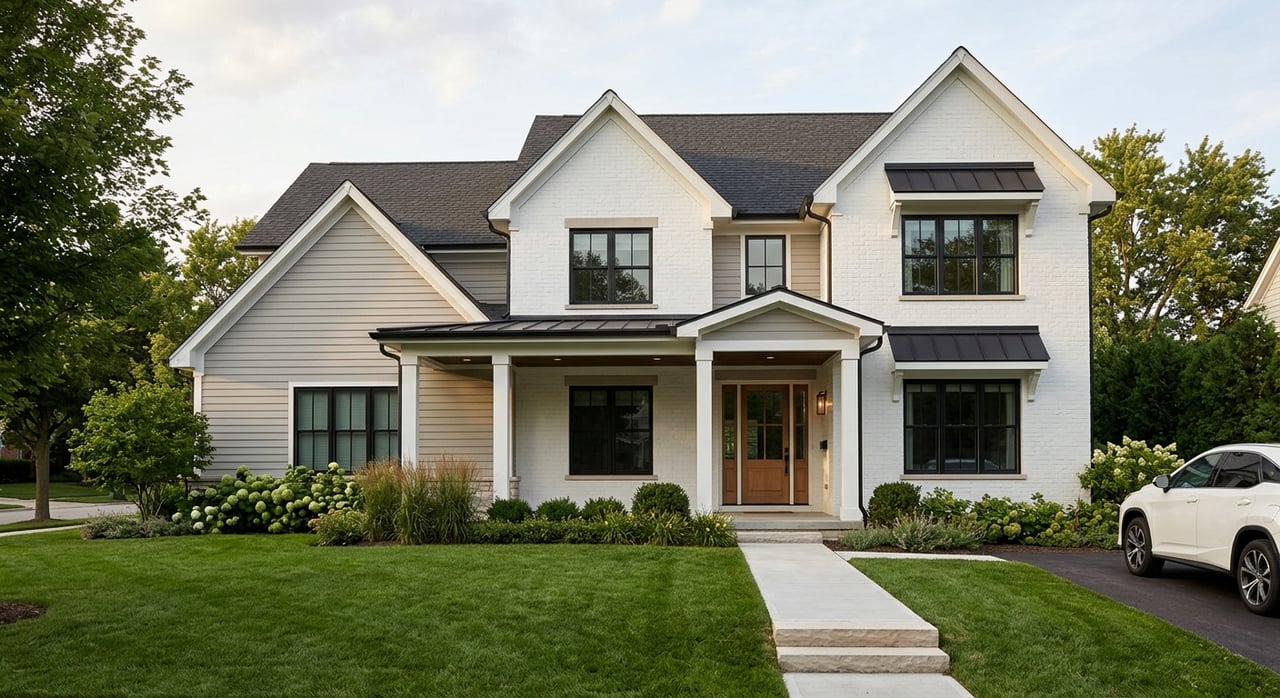
Two to four weeks before launch, your attention should turn to presentation. This is the time for paint touchups, curb appeal work, and cosmetic fixes that will stand out in listing photos. Small visual details often matter more online than sellers expect.
That matters because photos remain a major part of how buyers shop. NAR reports that photos are important to 73% of buyers’ agents, and videos and virtual tours also rank high. Your home should be ready to make a strong impression both online and in person.
This is also when you should book professional photography, video, and virtual-tour assets. Scheduling these items ahead of time helps you avoid delays and supports a more coordinated launch.
Zillow notes that Thursday is the gold standard for listing because homes tend to go pending faster than with weekend postings. While every home is different, this gives you one more reason to plan your media and listing date well in advance.
Launch ready, not almost ready
When listing week arrives, aim to go live fully prepared. In a market like Springboro, where homes often move within about a month, the first wave of interest can be especially important. You want buyers to see the home at its best from day one.
That includes pricing with care. Current Springboro data suggests buyers are still paying close to asking when a home is priced correctly. With Realtor.com showing a 99% sale-to-list-price ratio and Redfin indicating homes often sell near list, an inflated price may cost you valuable time more than it helps.
Once your home is active, be ready for showing requests, feedback, and quick decision-making. A competitive market can create momentum early, but it also requires flexibility if pricing or presentation needs a small adjustment.
Expect 30 to 45 days to close
Accepting an offer is a major milestone, but it is not the finish line. Once you are under contract, the process shifts from marketing to transaction management. For planning purposes, it helps to think of closing as its own separate timeline.
Zillow says the average U.S. sale takes another 30 to 45 days to close after an offer is accepted. During that period, the transaction may include inspections, appraisal, title work, lender conditions, and the final walk-through.
There is also one key closing document buyers receive near the end of the process. The Consumer Financial Protection Bureau says buyers must receive the Closing Disclosure at least three business days before closing. While that requirement applies on the buyer side, it is still useful for sellers because it helps frame the final stretch of the timeline.
A simple Springboro listing timeline
If you want a practical way to work backward from a spring listing, this outline can help:
January to February: Plan
- Meet with your agent
- Set your goals and target list month
- Walk through the home and identify repairs
- Start gathering records and disclosure information
- Review whether lead-based paint rules apply for a pre-1978 home
March: Prep
- Complete high-impact repairs
- Declutter and deep clean
- Organize storage and remove extra furniture
- Gather receipts, manuals, and service records
- Begin staging decisions for key rooms
April to May: Launch
- Finish touchups and curb appeal
- Schedule photography, video, and virtual-tour assets
- Finalize pricing and listing strategy
- Go live when the home is fully ready
- Stay prepared for showings and feedback
Following month: Close
- Review and negotiate offers
- Move through inspections, appraisal, and title work
- Complete buyer and lender conditions
- Prepare for closing and your move
Confidence comes from preparation
Selling your home does not have to feel overwhelming. In Springboro, where well-priced homes can move quickly and sell close to asking, your advantage often comes from starting early and preparing carefully. A thoughtful timeline gives you room to make smart decisions without feeling rushed.
If you are thinking about a spring sale, the best first step is often a conversation a few months before you plan to list. That gives you time to sort through repairs, disclosures, staging choices, pricing, and launch timing with a clear plan in place. When you know what comes next, the whole process feels more manageable.
If you want steady guidance and a personalized selling plan for your Springboro home, schedule a free consultation with Kevin Johnson - Remax.
FAQs
When should you start preparing to sell a home in Springboro?
- If you hope to list in April or May, it is smart to begin planning in January or February so you have time for pricing, repairs, disclosures, and marketing prep.
How long does it take to sell a home in Springboro?
- Current market snapshots suggest many well-priced Springboro homes go under contract in about a month, though exact timing varies by price, condition, and presentation.
What repairs matter most before listing a Springboro home?
- Focus first on issues that affect buyer confidence or may appear on Ohio disclosure forms, such as roof, foundation, walls, floors, water, sewer, and known hazards.
Do you need full staging to list a Springboro home successfully?
- No. Many sellers improve results with decluttering, deep cleaning, and targeted staging in the living room, primary bedroom, and kitchen rather than full-service staging.
What disclosures do Ohio home sellers need before listing?
- Most Ohio sellers complete a residential property disclosure form based on actual knowledge, and sellers of pre-1978 homes also need to address lead-based paint disclosure requirements before contract signing.
How long does closing take after accepting an offer on a Springboro home?
- A typical closing period is about 30 to 45 days after offer acceptance, with inspections, appraisal, title work, lender conditions, and final walk-through happening during that time.