If you are thinking about buying your first investment property in Tipp City, you are probably asking the right first question: does this market actually make sense for a small investor? The answer is that it can, but success here usually comes from careful numbers, realistic expectations, and a solid understanding of how this local market works. In this guide, you will learn what to watch, what to budget for, and how to evaluate opportunities in Tipp City with more confidence. Let’s dive in.
Why Tipp City draws investor interest
Tipp City offers a different profile than a dense, high-turnover rental market. It is a smaller Miami County city with 10,439 residents and 4,382 households, and about 69.9% of homes are owner-occupied. That matters because you are looking at a market that leans more suburban and commuter-oriented than renter-dominated.
Location is part of the appeal. Tipp City highlights access to I-70 and I-75, proximity to Dayton International Airport, municipal utilities, a historic downtown, and the Great Miami River Bikeway. For an investor, those features can support day-to-day livability, future resale, and tenant interest.
What the housing stock looks like
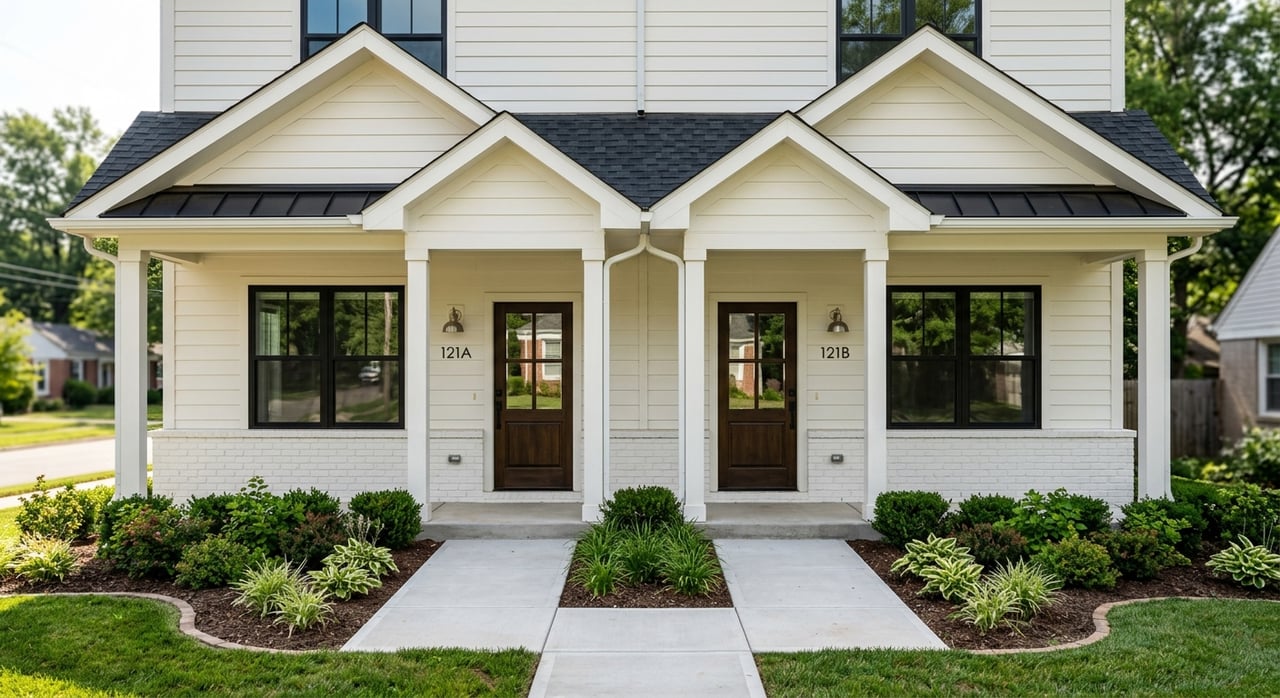
If you are searching for an investment property in Tipp City, you will likely spend most of your time looking at single-family homes. The city’s comprehensive plan said that more than 80% of housing units were single-family in 2014, and current public listing searches still heavily favor detached homes.
That does not mean every good opportunity will be a house, but it does shape your search. In Tipp City, many small investors will be comparing detached homes rather than sorting through a large apartment inventory. That makes property-specific analysis even more important.
How pricing looks right now
One of the first challenges for any investor is understanding value, and Tipp City requires a balanced view. Public sources show different price points, including a median owner-occupied value of $273,500 from Census Reporter, a current Zillow home value of $347,953, and a recent Redfin median sale price of $314,837.
Those differences do not automatically mean the data is wrong. They reflect different methodologies and timeframes. For you, the takeaway is simple: use broad market numbers as a starting point, then study recent comparable sales for the specific property type, size, and condition you are considering.
What rent data can and cannot tell you
Rent is where many first-time investors get tripped up. Public rent trackers for Tipp City do not match perfectly, with Zillow showing one average rent figure of $1,747 on its housing market page and $1,300 on its rental manager page. As of June 4, 2026, that rental manager page also showed 13 available rentals with asking rents ranging from $800 to $3,400.
The older Census median gross rent of $858 is much lower, but it measures occupied units and uses a different definition of rent. So instead of searching for one magic rent number, it is smarter to treat rents as a range. The best next step is to compare properties that are truly similar in location, condition, bedroom count, and features.
Rent-to-price math for beginners
If you are just getting started, a quick screening calculation can help you decide whether a property deserves a closer look. Based on current public figures, rough gross rent-to-price ratios in Tipp City sit in the mid-single digits before expenses.
Using Zillow’s home value figure of $347,953 and current asking rents, the rough gross ratio lands around 4.5% to 6.0%. Using Redfin’s median sale price of $314,837, the rough gross ratio comes in around 5.0% to 6.7%. These are only screening tools, not final investment returns.
That is because gross ratio math leaves out a lot. It does not account for taxes, insurance, maintenance, vacancy, repairs, utilities, or financing. A property that looks decent on a quick screen can still underperform once real operating costs are added.
Why vacancy planning matters here
Tipp City is not a market where you should assume endless rental demand at any price. Because the city is majority owner-occupied and current rental inventory appears limited, vacancy planning matters. A thin rental market can help when your property is well-positioned, but it can also make pricing mistakes more costly.
You should plan for the possibility of downtime between tenants, especially if the property needs work or is priced above nearby alternatives. Public rental data also shows nearby corridor markets such as Troy, Huber Heights, and Vandalia competing at different rent levels. That means your pricing strategy should be tied to the immediate area, not broad assumptions about the wider Dayton region.
Costs new investors often miss
Many first-time investors budget for the obvious items and miss the local operating details. In Tipp City, utility structure is important because the city owns and operates electric distribution, water, and sewer systems, and utility billing includes electric, water, wastewater, and refuse service.
Trash collection also matters. Residential dwellings within city limits must use Republic Services for trash collection, and the charge appears on the utility bill. When you estimate monthly expenses, make sure you understand which utility costs will be owner-paid and which may be passed through depending on the property and lease setup.
Another local detail is utility line responsibility. Tipp City maintains water and sewer mains up to the curb box, but the property owner is responsible for the lateral from the curb box to the house and for the sewer line from the main connection into the house. That means an older property can come with repair exposure beyond the usual roof, furnace, or cosmetic updates.
Local rules to check before you buy
A good investment property is not just about price and rent. You also need to know the local rules that can affect your timeline and costs. Tipp City requires zoning permits for changes such as fences, sheds, pools, additions, driveways, and decks.
That matters if your strategy includes improving the property after closing. Before you assume a project is simple, verify the permit path and likely cost. Small surprises can quickly change the return on a first investment.
Vacancy rules also deserve attention. Tipp City says vacant properties and buildings must register with Community Development. If you are planning a long rehab, delayed lease-up, or a hold period before occupancy, check those requirements early so you are not solving avoidable compliance issues later.
Ohio landlord basics to understand
If you plan to rent out property in Tipp City, Ohio landlord-tenant law sets a baseline for your responsibilities. Landlords must keep rental premises habitable, including running water, reasonable hot water, heat, and safe electrical, plumbing, heating, ventilating, and air-conditioning fixtures and appliances.
Security deposits also follow specific rules. Ohio law allows itemized deductions for unpaid rent or damages, and the written itemization with any remaining balance must be delivered within 30 days after move-out and possession turnover. Even if you hire help, you should understand these basics before you become a landlord.
How to evaluate a Tipp City deal
When you review a property, keep your process simple and disciplined. In a market like Tipp City, strong investing usually comes from buying the right property at the right number, not from chasing flashy projections.
Use this checklist as a starting point:
- Compare the home to recent sales of similar size, age, and condition
- Study active and recent rental listings for truly comparable homes
- Estimate vacancy, maintenance, insurance, taxes, and utility exposure
- Ask about the age and condition of major systems
- Review whether planned improvements need zoning permits
- Verify parcel-specific taxes through Miami County records
- Check whether a vacant period could trigger local registration requirements
Each one of these items helps you move from guesswork to a more realistic underwriting process. That is especially important in a market where the margin for error may be tighter than first-time investors expect.
What a smart first purchase may look like
For many buyers, the most practical first investment in Tipp City may be a single-family home with straightforward condition, predictable maintenance needs, and rent potential supported by nearby comparables. In other words, this may not be the best market for a risky deal that only works if every assumption goes your way.
A cleaner first purchase often gives you a better learning curve. You can focus on leasing, operations, and long-term planning instead of being overwhelmed by major renovations, uncertain permitting, or aggressive rent projections. In a steady market, boring can be a strength.
Why local guidance helps
Investment property analysis is never just about spreadsheets. You also need local perspective on pricing patterns, property condition, likely buyer demand at resale, and how one street or pocket may differ from another. That is where experienced local guidance can save you time and help you avoid expensive assumptions.
If you are weighing your first investment property in Tipp City, it helps to have someone who can walk you through the numbers, the property-specific details, and the local context without overcomplicating the process. With the right plan, you can approach your purchase with more clarity and less stress.
If you are ready to explore investment opportunities in Tipp City or compare a few possible properties, Kevin Johnson - Remax can help you evaluate your options with clear, practical guidance.
FAQs
What type of investment property is most common in Tipp City?
- Tipp City housing stock and current listings suggest that single-family homes are the most common starting point for small investors.
What rent should you expect for a Tipp City investment property?
- Public data shows a range rather than one clear number, so you should verify rent by comparing similar available and recently leased properties.
Is Tipp City a fast-moving market for investment buyers?
- Public sources suggest a competitive but not frantic pace, with homes going pending in about 19 days on Zillow and a 27-day median on market reported by Redfin.
What local utility costs matter for Tipp City rental owners?
- Tipp City utility billing can include electric, water, wastewater, and refuse service, so you should build those local costs into your property analysis.
What repairs are Tipp City property owners responsible for?
- In addition to normal property upkeep, owners are responsible for the lateral from the curb box to the house and for the sewer line from the main connection into the house.
What legal basics should new Tipp City landlords know?
- Ohio law requires landlords to maintain habitable premises and sets rules for security deposit deductions and the 30-day itemized return process after move-out.