Wondering what gives Troy such a memorable sense of place? In this part of Miami County, the story is not just about one beautiful old house or one charming block. It is about a preserved downtown core, a mix of home styles from different eras, and a city layout that still reflects Troy’s early history. If you are thinking about buying, selling, or simply getting to know the market, understanding Troy’s historic neighborhoods and home styles can help you see why this community stands out. Let’s dive in.
Troy’s historic core sets the tone
Troy’s historic identity is closely tied to Public Square and the surrounding downtown area. The city’s Historic District is an overlay district bordered roughly by the Miami River, Clay Street, Canal Street, and Oxford Street. According to the city, that area matches the perimeter of Troy in 1807, when it became the Miami County seat.
That matters because Troy’s character is bigger than any single home. The downtown fabric, older streetscapes, and preserved civic core all work together to create a distinct feel. The city also describes Public Square as one of the most recognizable places in the Miami Valley, which helps explain why this area leaves such a strong impression.
Historic neighborhoods are more than old houses
When you explore the streets near downtown Troy, you are seeing a neighborhood story as much as an architectural one. The city’s planning documents describe downtown and nearby residential areas as containing older Victorian-style structures with historical significance and unique architectural qualities. Even when homes vary in age and design, the area often feels visually connected.
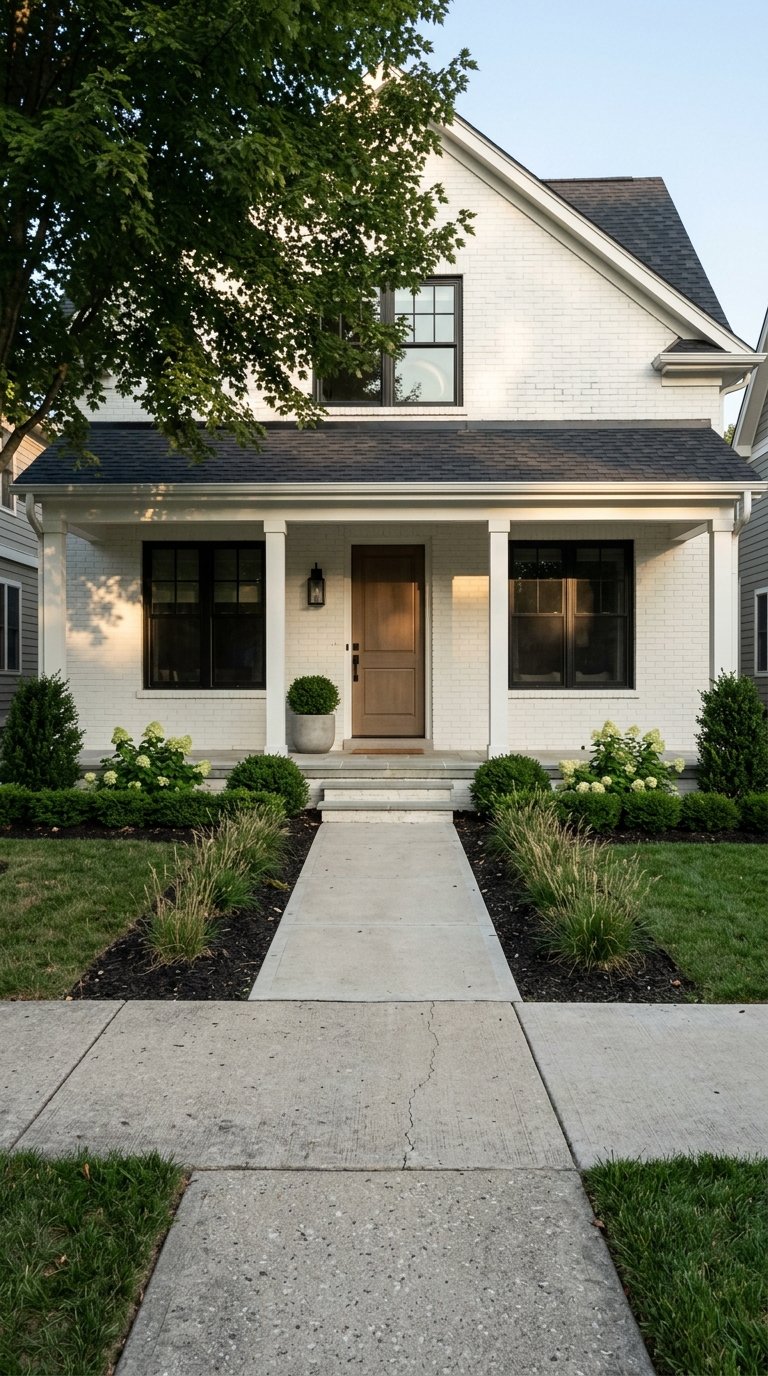
For you as a buyer or seller, that means curb appeal in Troy’s historic areas is often tied to setting as much as structure. Walkable access to downtown, preserved building lines, mature streetscapes, and the rhythm of older homes all shape how a property feels. In many cases, buyers respond to the block and neighborhood character before they ever focus on a floor plan.
Common home styles in Troy
Troy’s historic housing stock includes a broad mix of architectural styles. The city’s Historic Preservation Overlay Design Manual identifies several key styles that appear in the community, especially near the historic core.
Federal homes in Troy
Federal-style homes are often recognized by their symmetry and refined detailing. In Troy, this can include balanced window placement and features like fanlights. These homes connect to the city’s early development and can appeal to buyers who like simple proportions and classic brick architecture.
Greek Revival homes in Troy
Greek Revival homes often have a temple-like appearance. The city notes features such as columns and strong classical detailing. If you are drawn to formal entries and historic presence, this style often stands out.
Italianate and Second Empire homes
Italianate homes typically feature low roofs and decorative brackets. Second Empire homes are known for mansard roofs, which create one of the most recognizable silhouettes in historic architecture.
These styles often catch your eye quickly because they bring more ornament and visual drama to the street. In a place like Troy, they help create the layered look that many buyers associate with established historic neighborhoods.
Queen Anne and Victorian homes
Queen Anne and Victorian homes are a major part of Troy’s historic image. The city’s design manual highlights asymmetry and porches as defining cues, and these homes often bring the greatest sense of variety from one property to the next.
If you love character, these are often the homes that deliver it in a big way. Their appeal usually comes from visual detail, inviting front porches, and a one-of-a-kind presence that is hard to duplicate in newer construction.
Colonial Revival and Neoclassical homes
Colonial Revival homes tend to return to symmetry and a more formal exterior appearance. Neoclassical homes often feature full-height porches with classical columns, giving them a stately look.
For buyers who want historic charm without the more irregular look of some Victorian-era homes, these styles can offer a nice middle ground. They often blend traditional exterior character with a familiar, balanced appearance.
Troy also includes bungalow and midcentury homes
Troy’s housing story does not stop with the 19th century. City planning materials include examples labeled Federal, Queen Anne, and Bungalow High Style Residence, which shows the local housing stock spans multiple eras.
That variety is important when you are house hunting. In practical terms, bungalow-era homes often serve as a bridge between the older Victorian core and later 20th-century neighborhoods. Across the broader Miami Valley context, midcentury housing types such as Cape Cod cottages, Ranch homes, and Split-Levels add another layer to Troy’s residential mix.
Why Troy’s historic areas feel so appealing
Architecture is only part of the draw. Troy also offers a small-city setting with public amenities that support everyday lifestyle. The city describes Troy as a community of about 26,000 residents, located about 20 minutes north of Dayton and 10 miles north of the I-70 and I-75 interchange.
Downtown plays a big role in that appeal. Troy highlights a vibrant downtown, parks, recreation, and more than 10 paved miles of the Great Miami River Recreational Trail. Local attractions also include the Troy-Hayner Cultural Center, the public library, the Troy Strawberry Festival, the WACO Air Museum, and Hobart Arena.
For many buyers, that means historic-home appeal is tied to daily life. A charming house may matter, but so do nearby events, trail access, and a preserved downtown setting that gives weekends and routines a little more texture.
What buyers should know about renovation
If you are looking at a home within Troy’s historic overlay, exterior changes are a major consideration. The city requires a Certificate of Appropriateness for covered work in the overlay district, and the application must be filed before work begins.
This review process is designed to make sure changes remain compatible with the building and surrounding structures. It is not limited to major construction. According to the city’s design manual, review can apply to items such as demolition, exterior alterations, windows, doors, roofs, chimneys, porches, signs, awnings, fences, accessibility features, and paint schemes.
Interior versus exterior changes
For many buyers, this is one of the biggest questions. In Troy’s local historic review process, interior work is not the main focus. Exterior work is the issue that most often triggers review within the overlay.
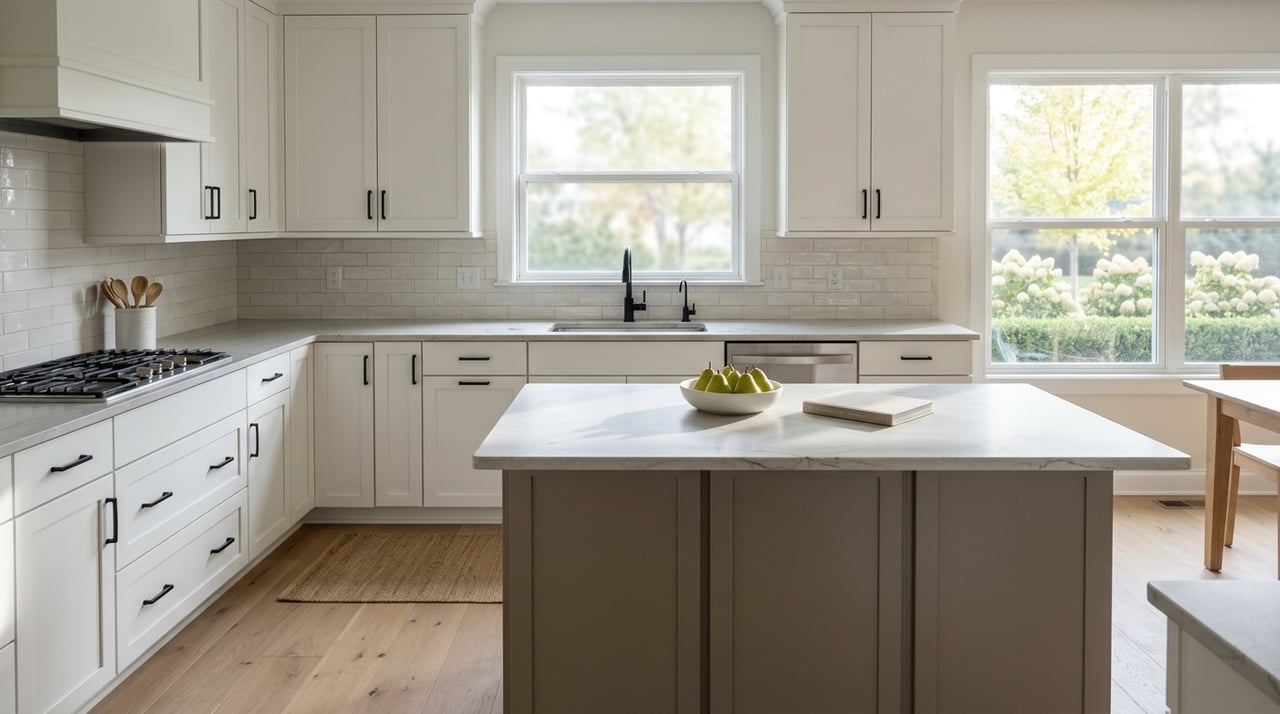
That distinction matters if you want to update kitchens, baths, or interior finishes while preserving the home’s exterior character. It can give you flexibility inside while still requiring more care on visible outside elements.
Materials and design details matter
Troy’s design guidelines generally favor traditional materials such as wood, brick, and stone. Contemporary materials may be allowed if they have characteristics similar to historic materials and receive Planning Commission approval.
The city also emphasizes preserving original windows, along with their positions and arrangement. The manual cautions against painting historically unpainted surfaces. In simple terms, Troy’s preservation approach focuses on visual compatibility and thoughtful design, not just replacing old with new.
Minor versus major exterior work
Not every project is treated the same. The city identifies some examples of minor alterations, such as replacing non-original windows and doors, replacing roof shingles with the same material and design, installing accessory structures in the rear yard, and repainting an already painted building with the same color.
If you are considering a historic property, it is wise to understand these distinctions early. That can help you plan repairs, budget more accurately, and avoid surprises after closing.
Is all of Troy considered historic?
No. Troy has grown beyond its earliest core through later annexation and subdivision patterns. The strongest historic review area is the downtown overlay around the old city perimeter.
That means you can find different living environments across Troy. Some buyers are drawn to the heart of the historic district, while others prefer later neighborhoods with bungalow, ranch, or split-level homes that still offer established surroundings but fewer historic-review considerations.
What pricing can look like in Troy
Public market data places Troy broadly in the mid-$200,000s on the sales side and the high-$200,000s to low-$300,000s on the list side, depending on the source and metric. Reported median figures include a $243,500 median sale price from Zillow, a $265,500 median sale price from Redfin, a $287,817 median list price from Zillow, and a $319,200 median list price from Realtor.com.
Recent sold examples reported by Redfin range from about $195,000 to $425,000. That wide spread is useful if you are shopping for character. In Troy, condition, updates, size, and location can move a home into very different price bands, especially when historic appeal is part of the package.
A practical way to think about the market is:
- Below about $250,000 may include smaller homes, less-updated properties, or homes outside the strongest historic-core blocks.
- About $250,000 to $350,000 often represents the broad middle of the market, including many updated homes and some well-located character properties.
- $350,000 and up may include larger, more fully restored, or especially well-located historic homes.
Why this matters if you are buying or selling
If you are buying in Troy, understanding architecture and location can help you make a smarter decision. A charming exterior is only part of the picture. You also want to know whether a home sits within the historic overlay, what kinds of updates may require approval, and how the surrounding neighborhood supports long-term value and enjoyment.
If you are selling, your home’s style and location can shape how it should be presented to the market. Buyers looking at Troy often respond to original details, preserved exteriors, porch appeal, and proximity to downtown amenities. A clear strategy can help your home’s story come through in a way that feels authentic and compelling.
Troy stands out because it offers more than just older homes. It offers a preserved core, a range of architectural eras, and a lifestyle centered around downtown character, public spaces, and established neighborhoods. If you want help understanding where a property fits within that bigger picture, Kevin Johnson - Remax is here to guide you with steady, local insight.
FAQs
What makes Troy’s historic neighborhoods different from other Miami Valley areas?
- Troy’s historic appeal is anchored by Public Square, a preserved downtown core, and a local historic overlay that matches the city’s early 1807 footprint.
What home styles can you find in Troy’s historic areas?
- Troy includes Federal, Greek Revival, Gothic Revival, Italianate, Second Empire, Queen Anne or Victorian, Colonial Revival, and Neoclassical homes, along with later bungalow-era properties.
What should buyers know about Troy historic district rules?
- In Troy’s historic overlay, exterior changes generally require a Certificate of Appropriateness before work begins, while interior changes are not the main focus of local historic review.
What exterior projects may need approval in Troy’s historic overlay?
- Troy’s review can cover items like windows, doors, roofs, chimneys, porches, paint schemes, fences, awnings, signs, accessibility features, demolition, and other exterior alterations.
What price range should buyers expect in Troy, Ohio?
- Current public market data places Troy broadly in the mid-$200,000s for median sale prices and the high-$200,000s to low-$300,000s for median list prices, with variation based on condition, size, and location.
What lifestyle features add to Troy home appeal?
- Troy combines historic character with a vibrant downtown, parks and recreation, more than 10 paved miles of the Great Miami River Recreational Trail, and community attractions like festivals, cultural venues, and public gathering spaces.